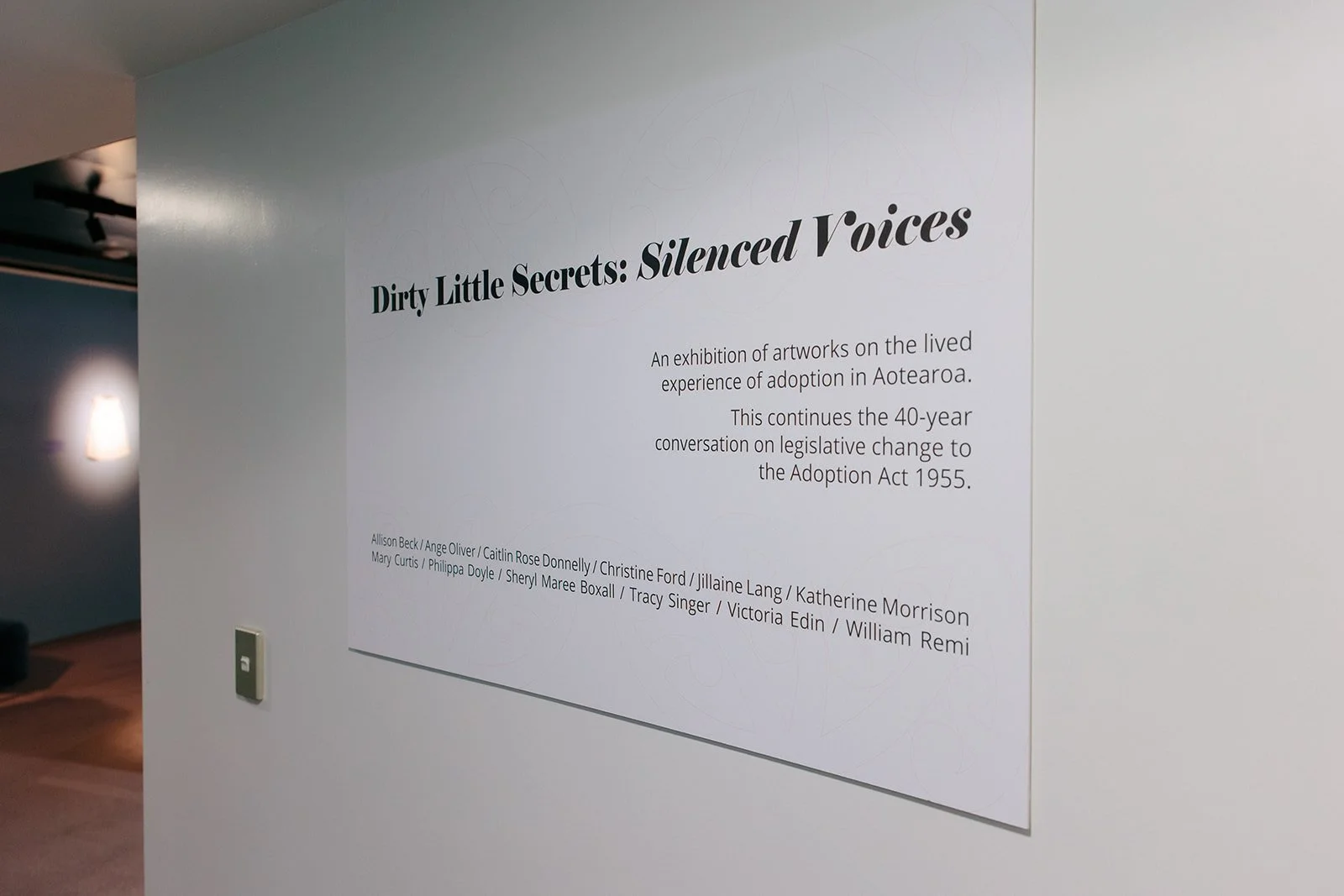
Dirty Little Secrets : Silenced Voices
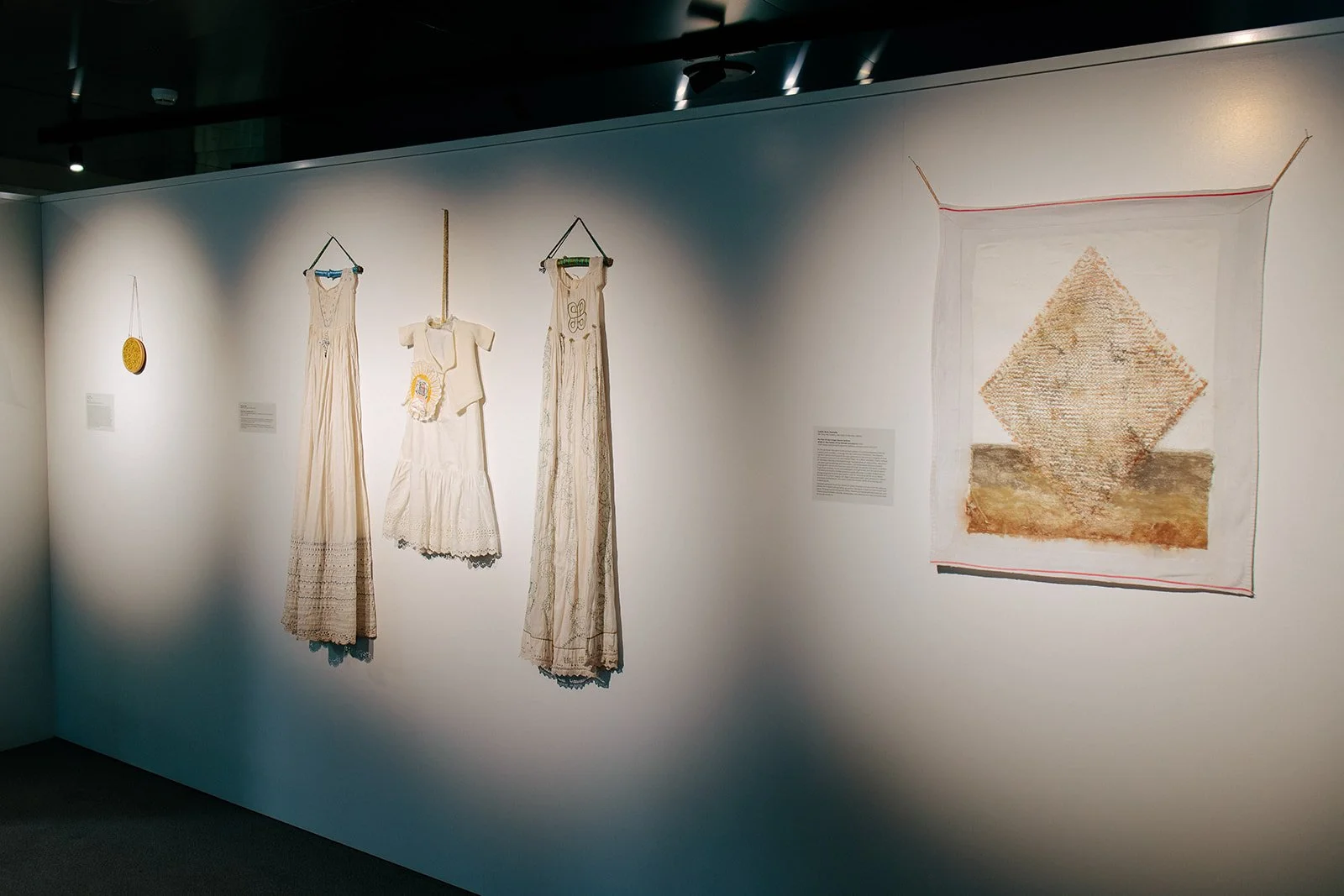
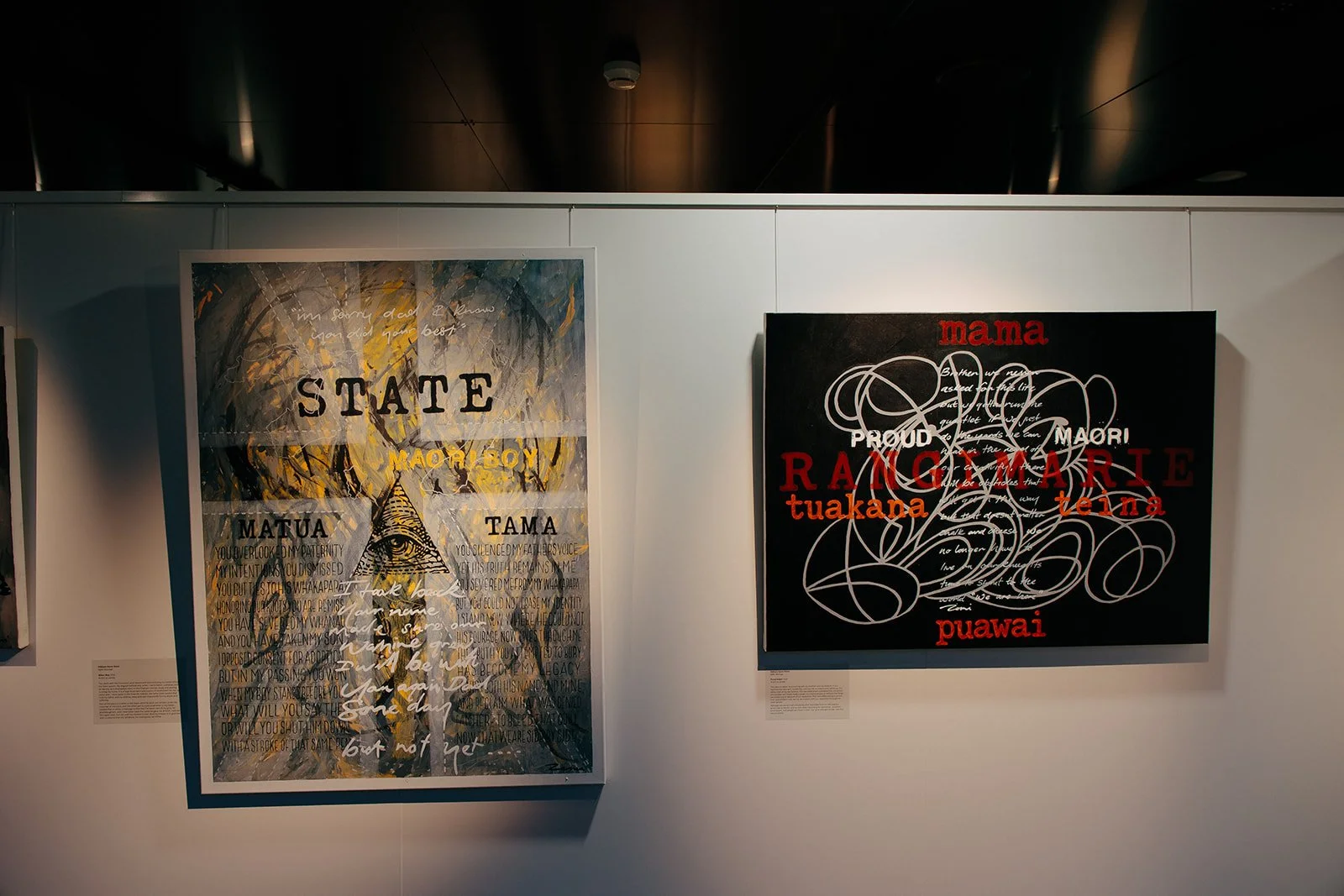
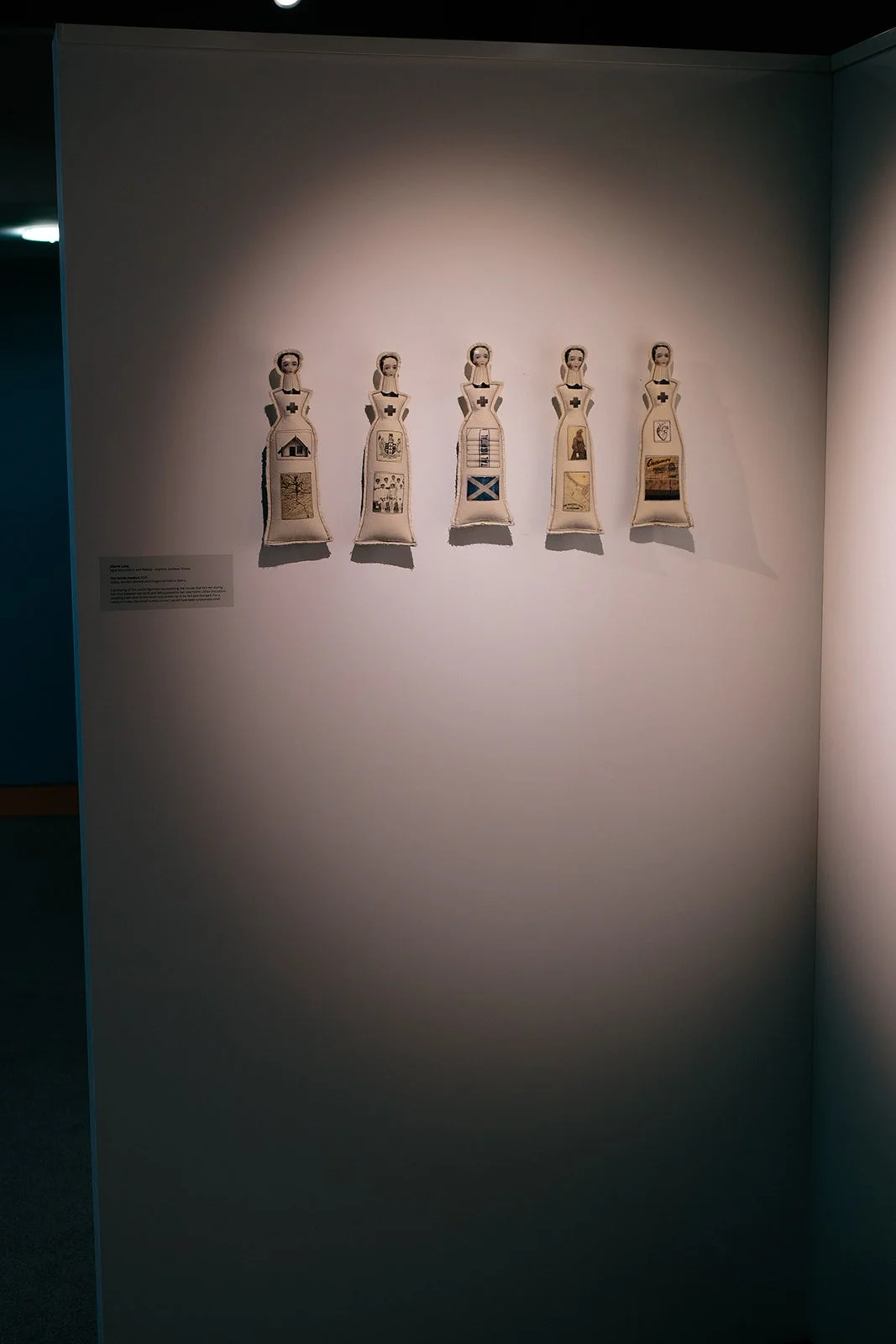
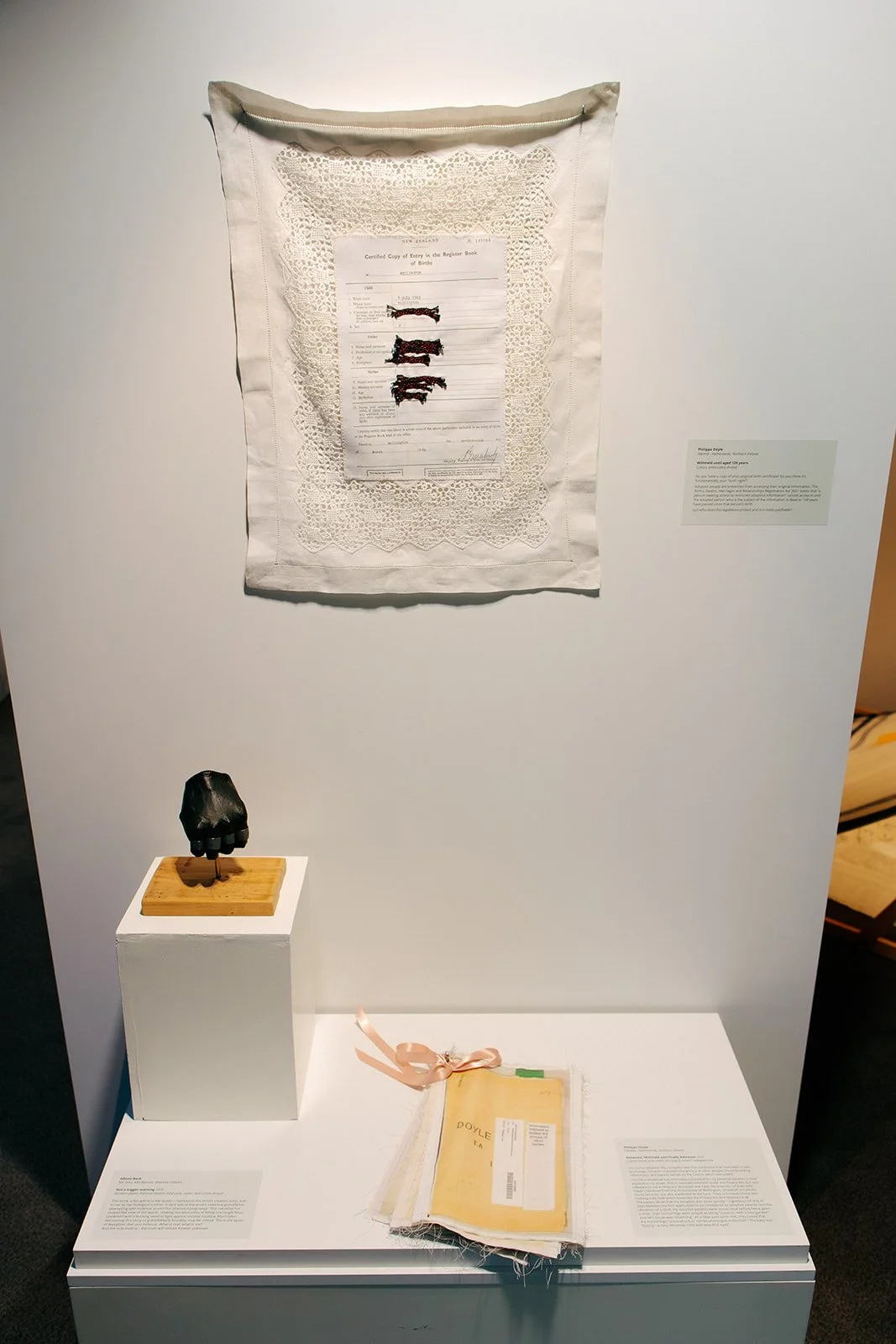
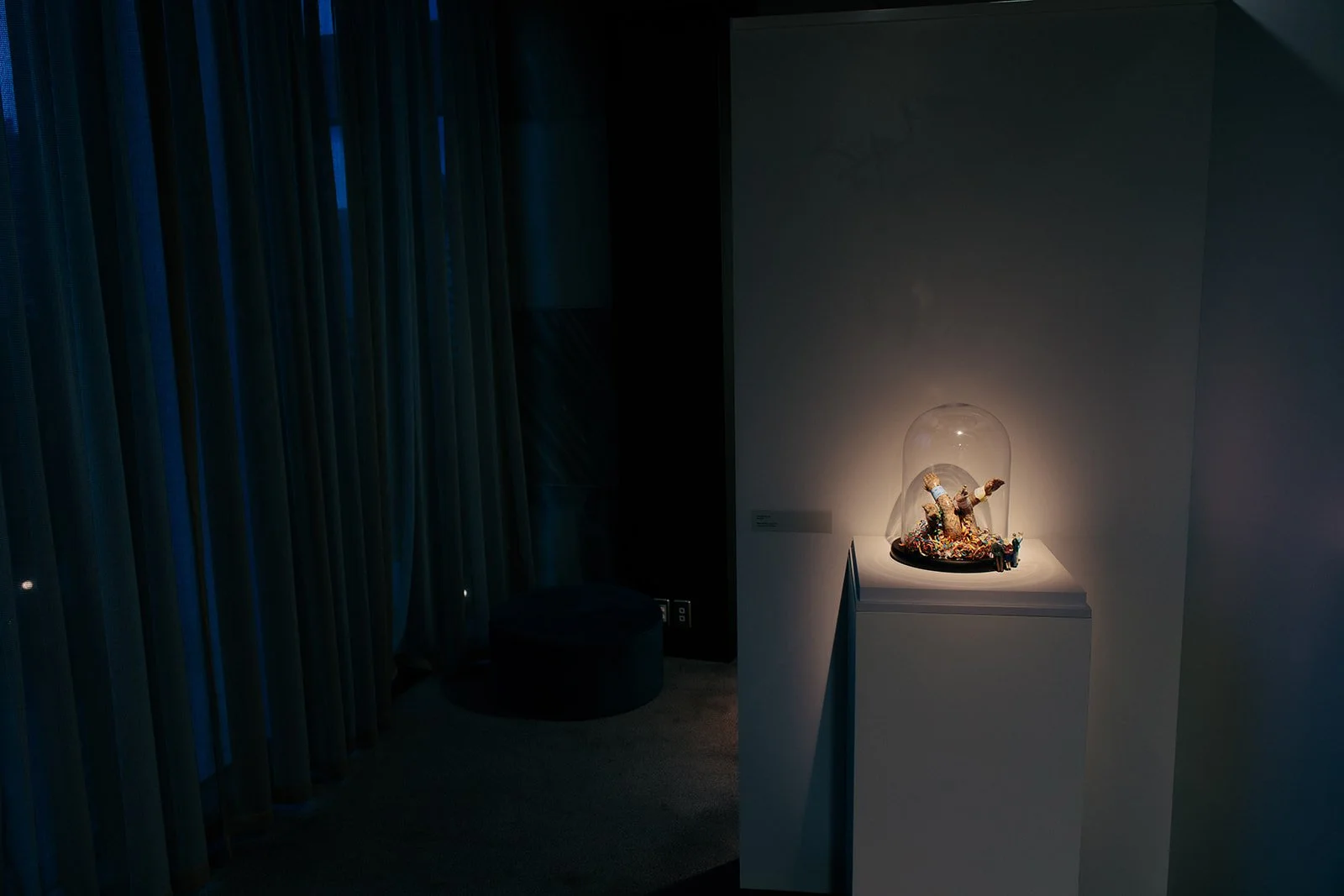
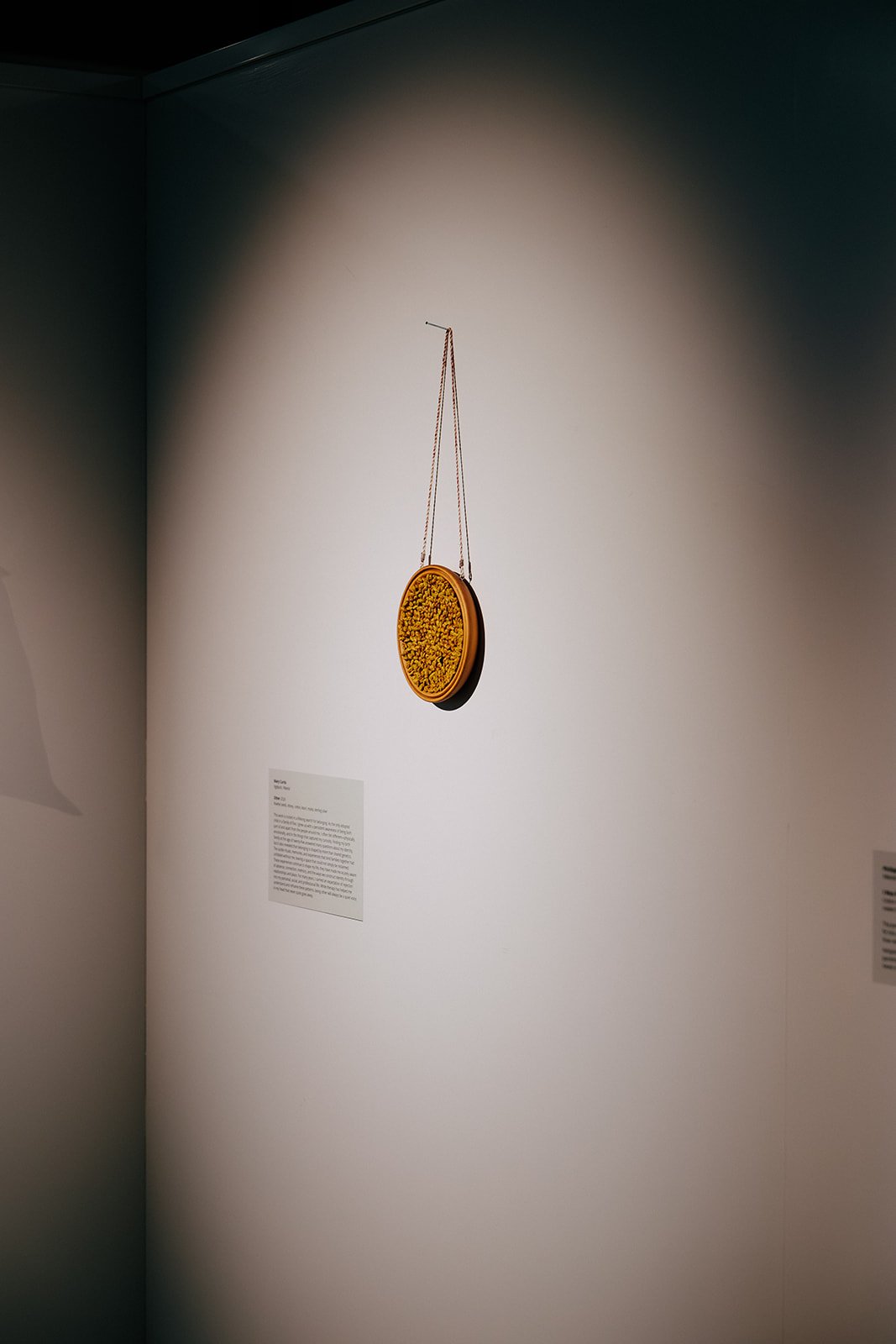
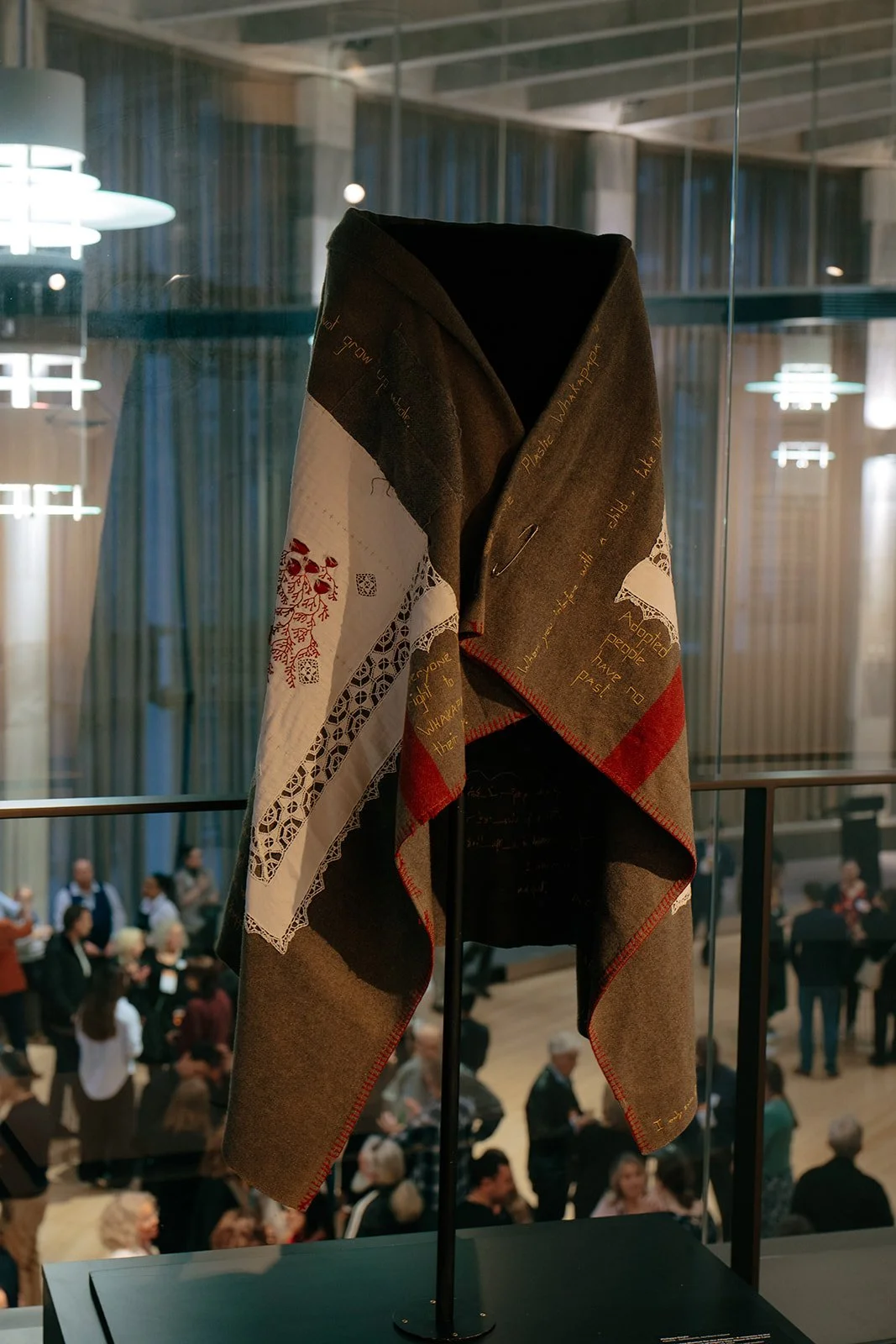
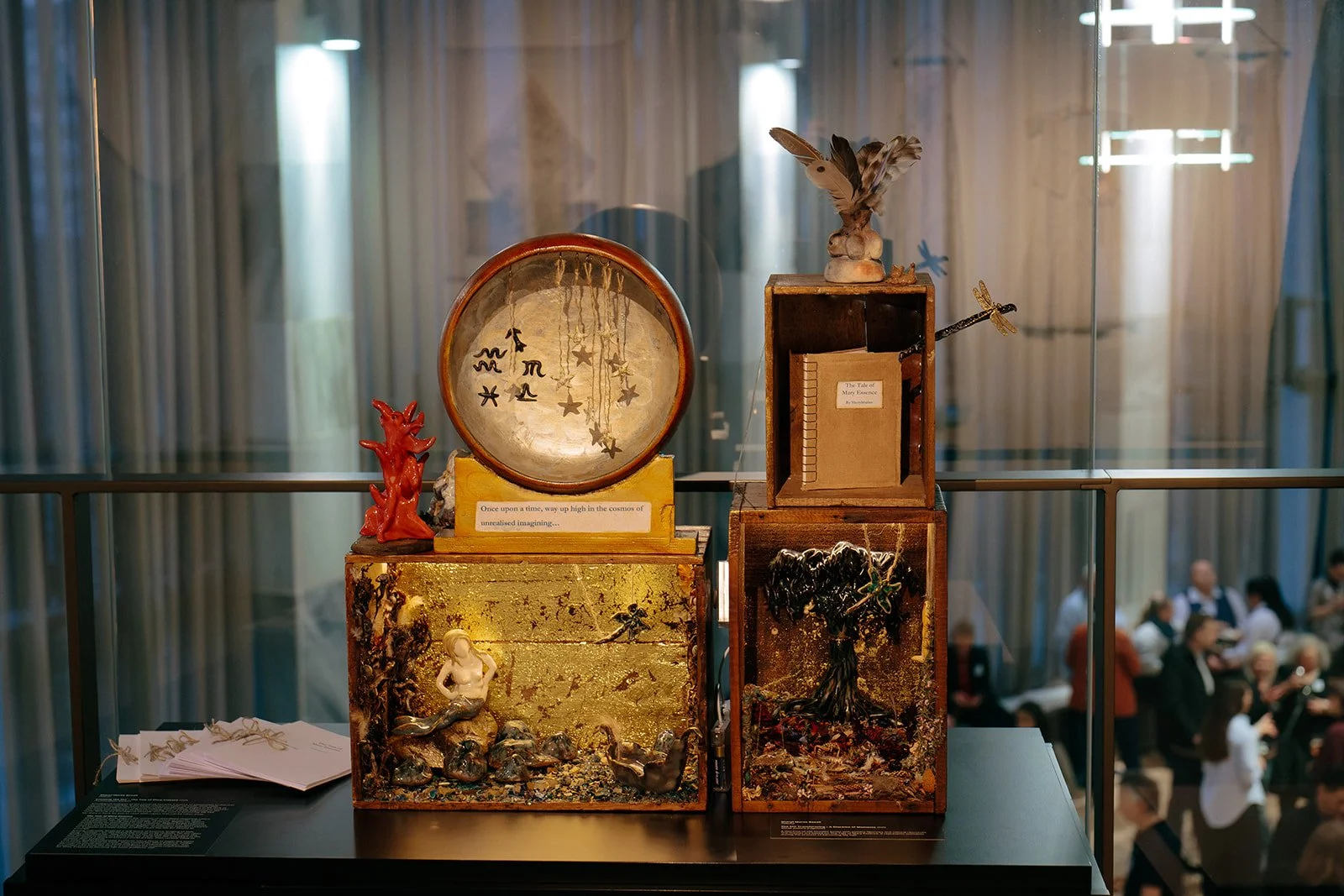
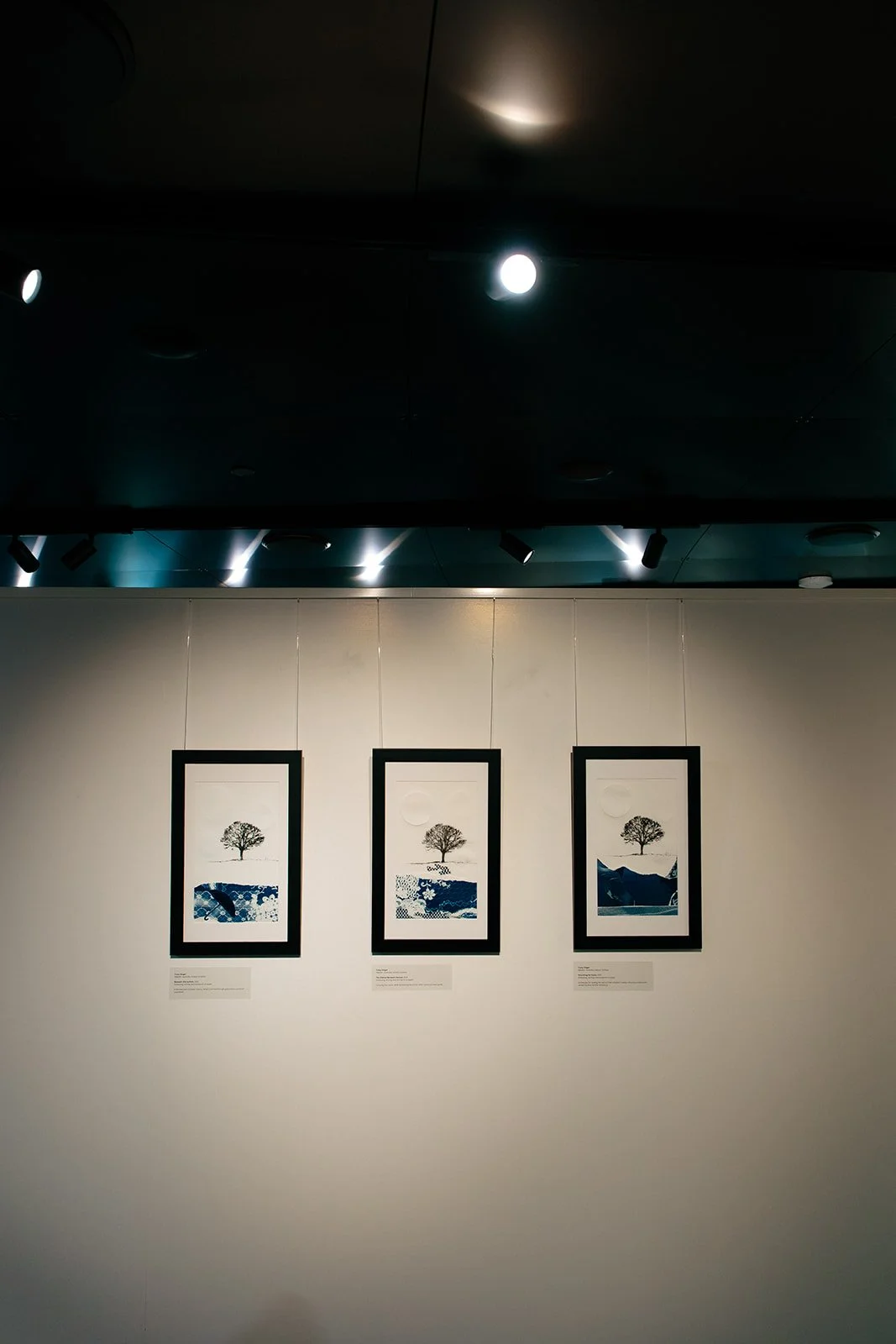
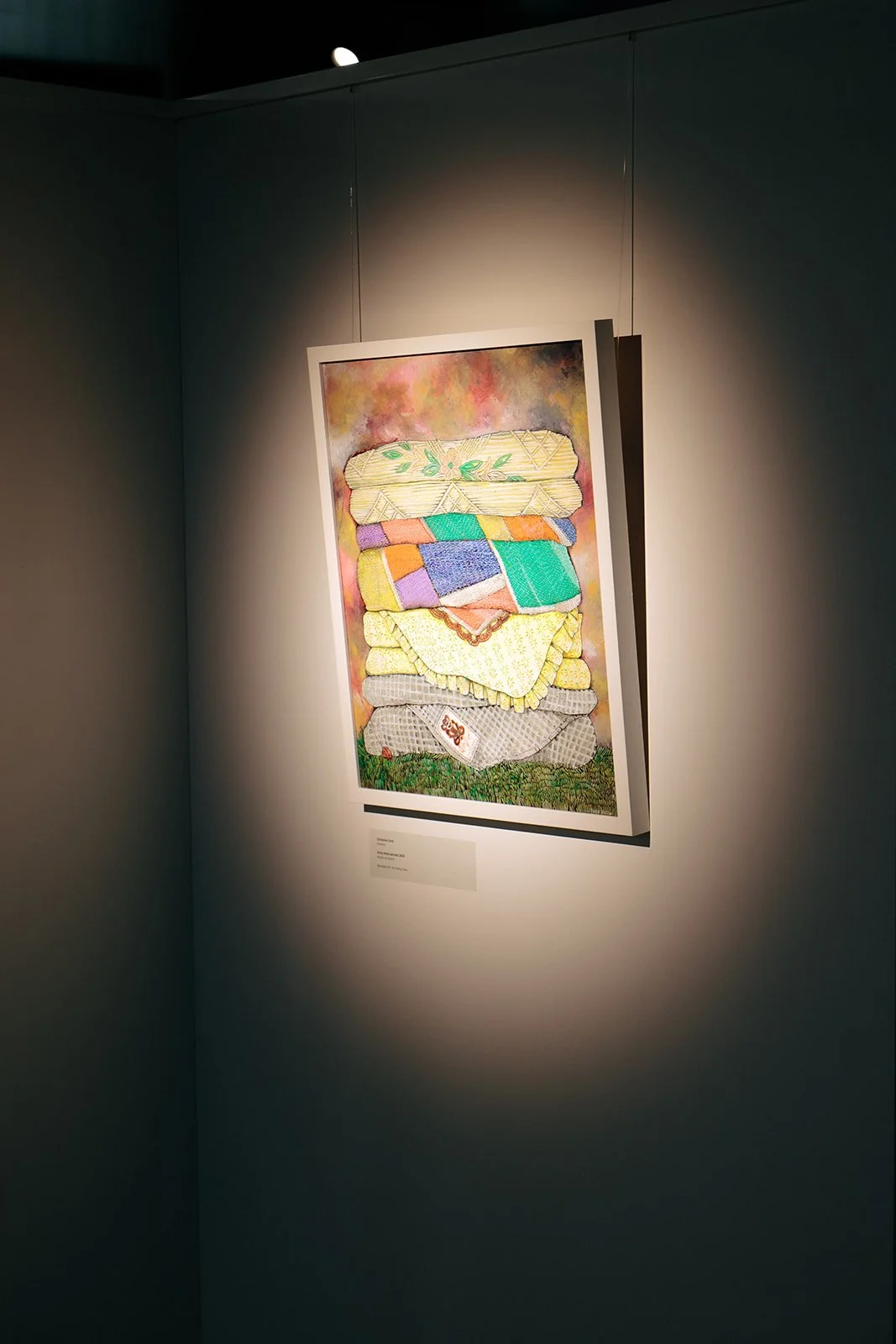
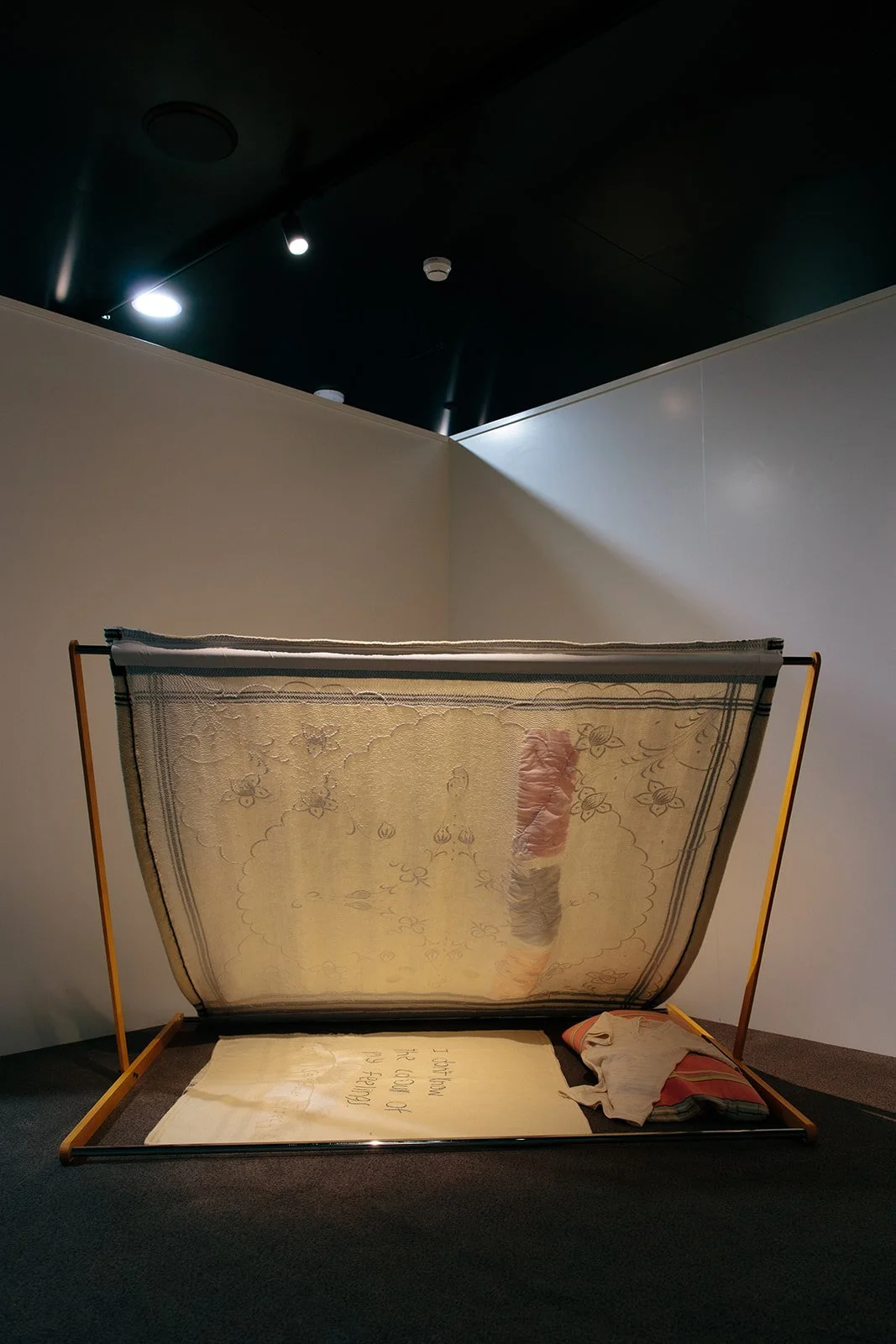
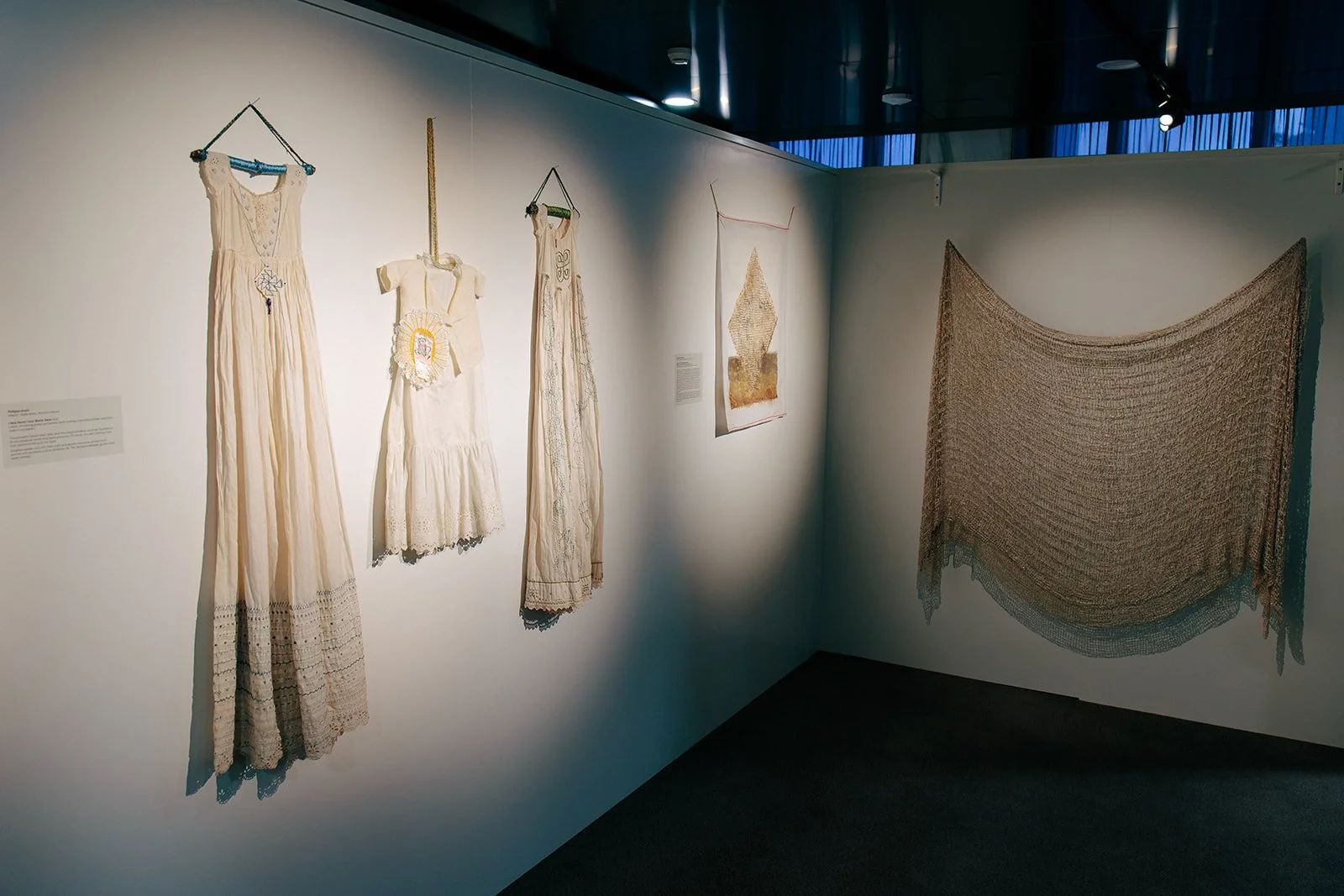
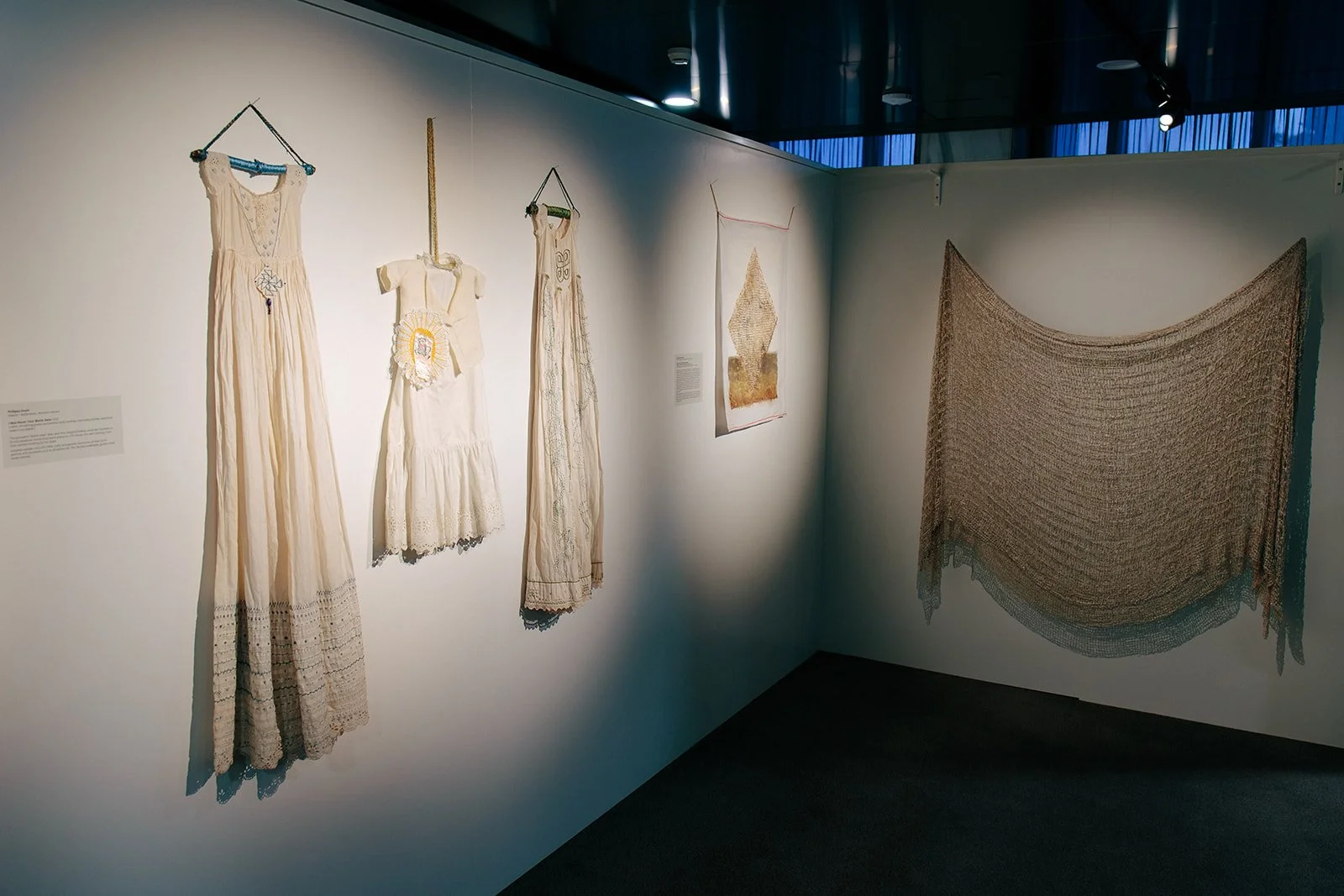
Dirty Little Secrets: Silenced Voices is an exhibition of artworks by adopted people exploring the lived experience of adoption in Aotearoa New Zealand. The exhibition is currently on display at Te Papakura Gallery, New Zealand Parliament.
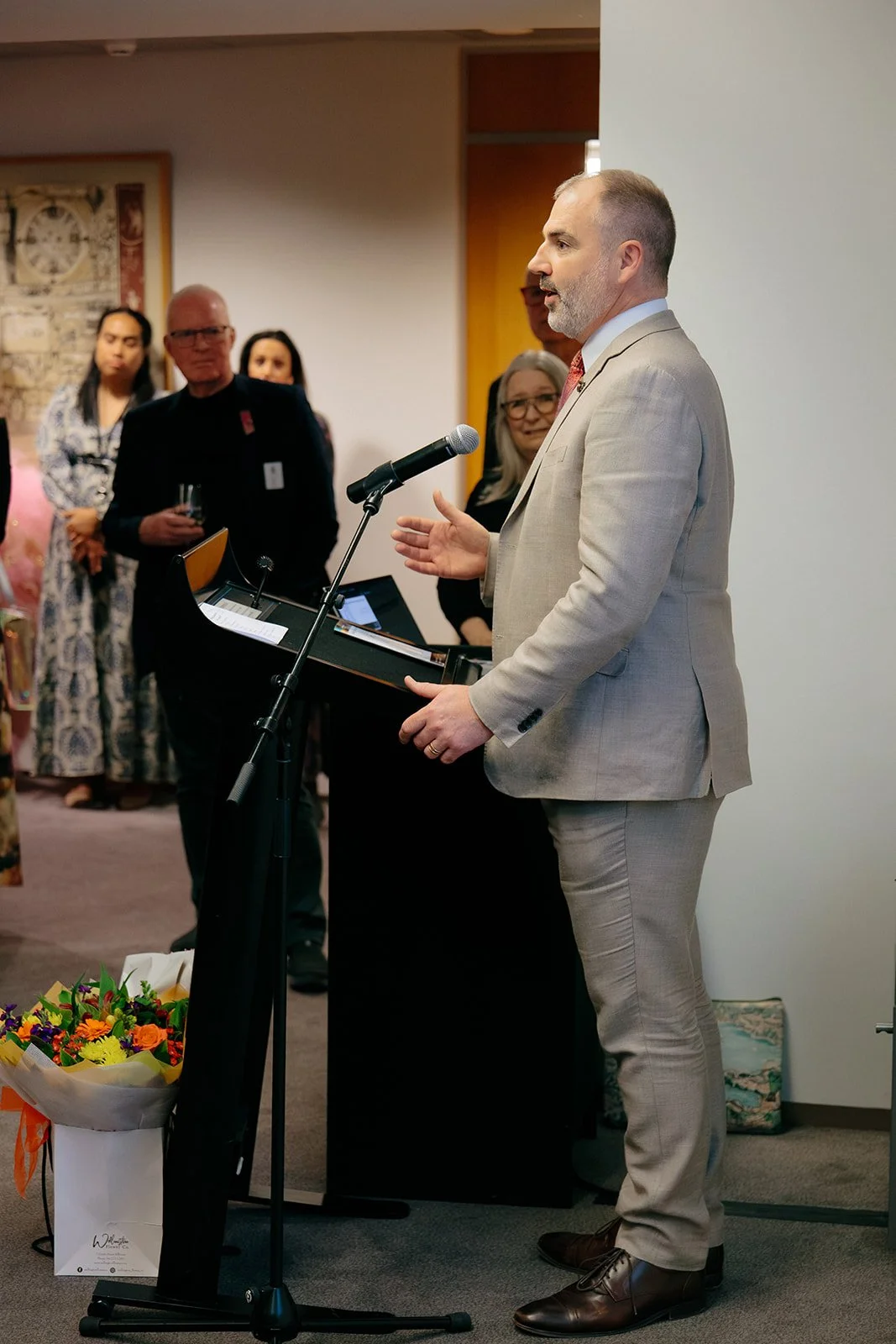
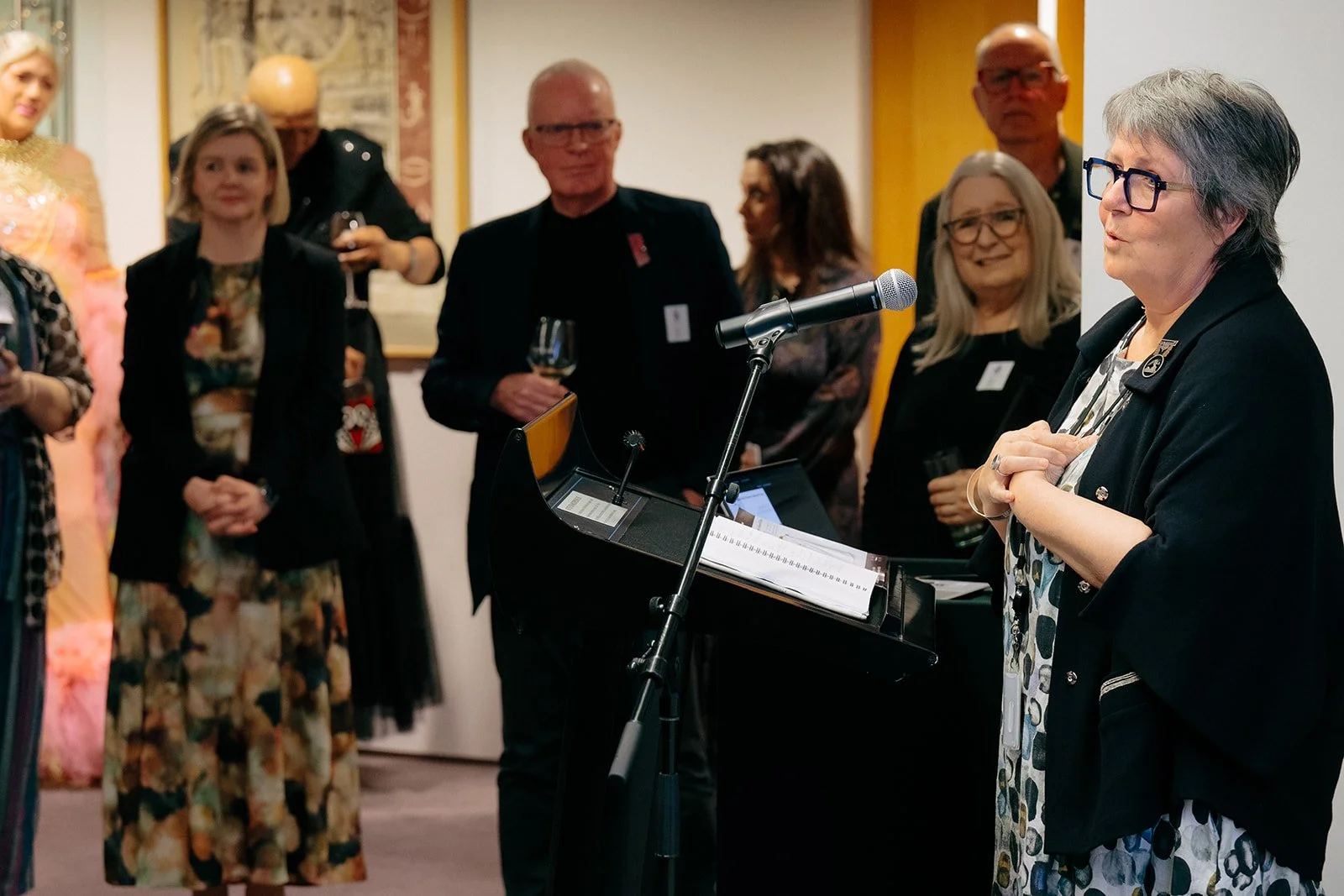
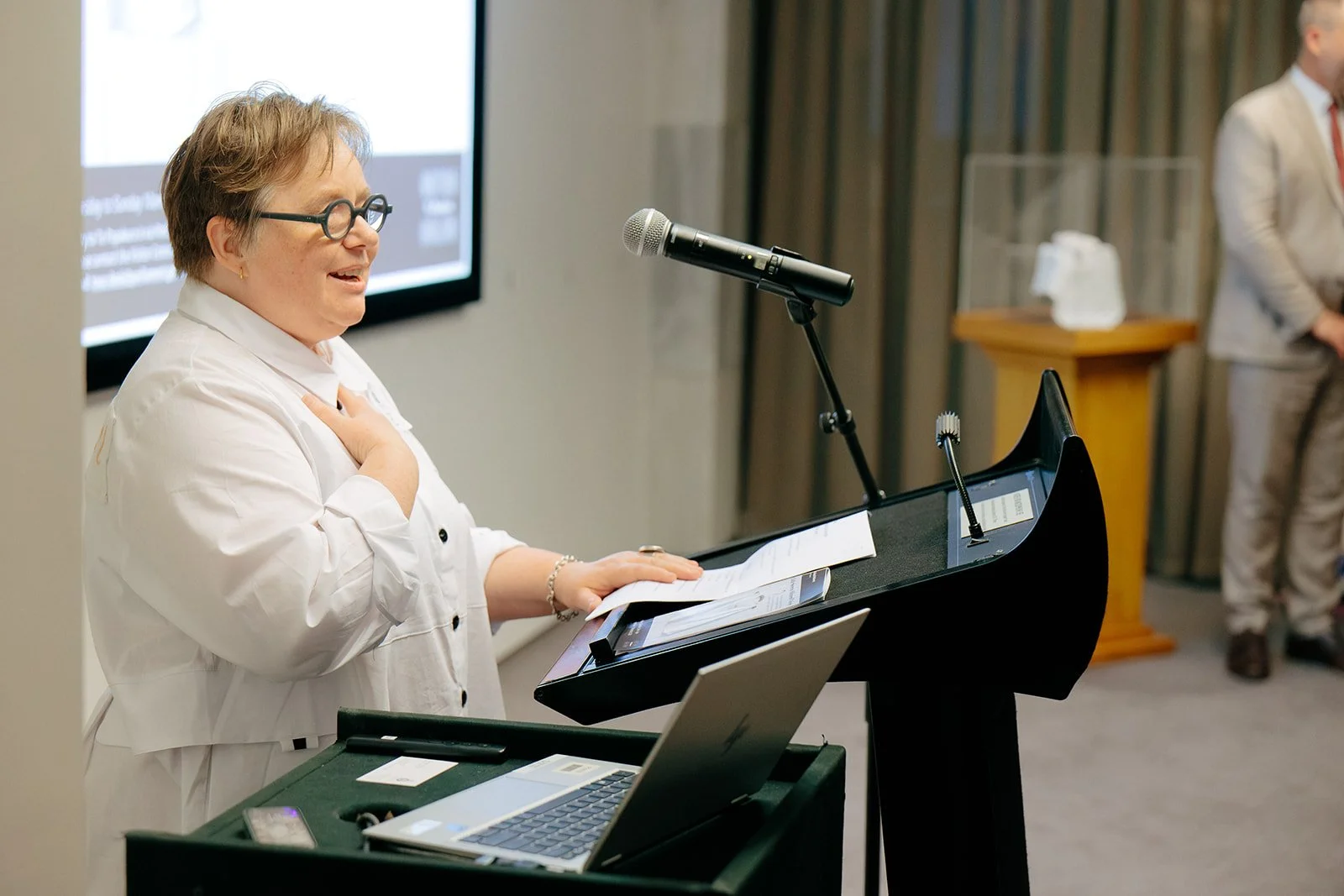
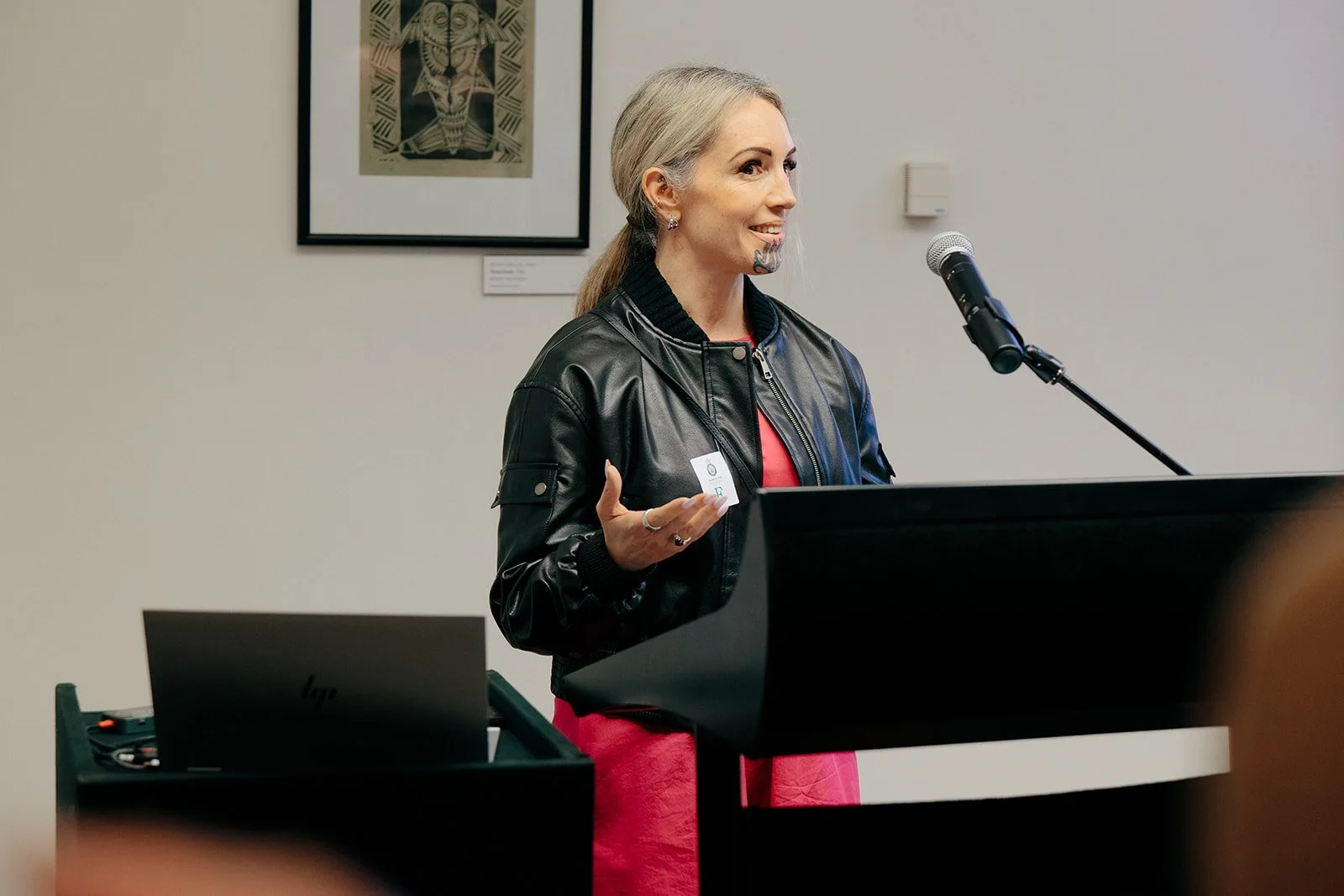
The offical opening of Dirty Little Secrets: Silenced Voices was hosted by MP Glen Bennett on 18 September 2026.
The exhibition runs until 13 December 2026, Tuesday–Sunday, 10am–4pm.
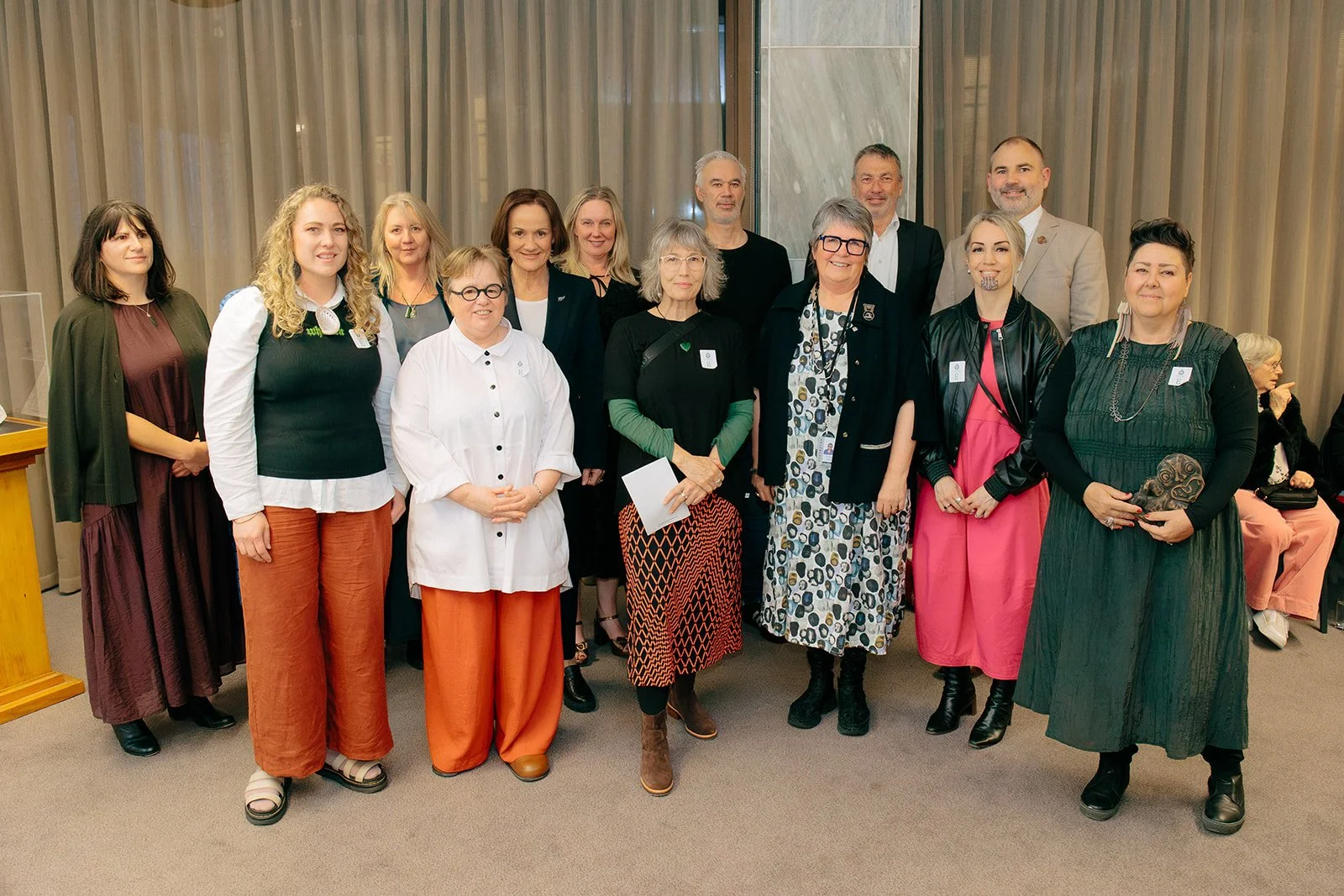
Left to right: Ange Oliver, Caitlin Rose Donnelly, Sheryl Maree Boxall, Victoria Edin, MP Suze Redmayne, MP Helen White, Tracy Singer, William Kevin Remi, Phillipa Doyle, MP Duncan Webb, MP Glen Bennett, Dr Annabel Ahuriri-Driscoll, Jillaine Lang.
Artist not in the photo: Allison Beck, Christine Ford, Katherine Morrison, Mary Curtis
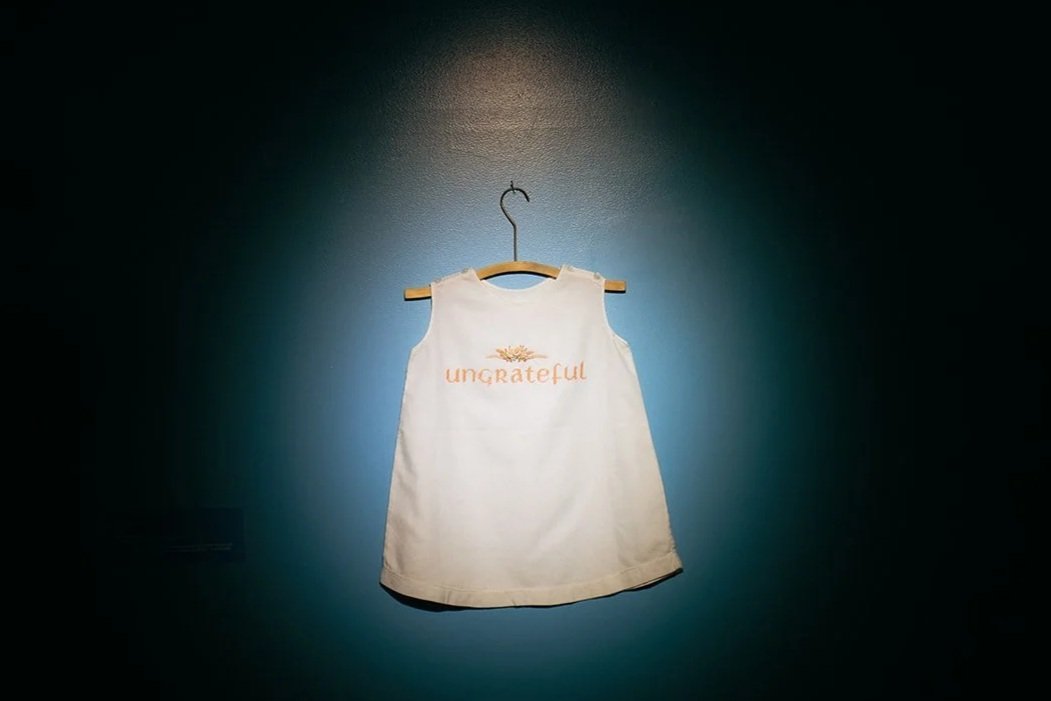
Dirty Little Secrets : Silenced Voices brings together the work of Allison Beck, Ange Oliver, Caitlin Rose Donnelly, Christine Ford, Jillaine Lang, Katherine Morrison, Mary Curtis, Philippa Doyle, Sheryl Maree Boxall, Tracy Singer, Victoria Edin and William Remi.
Dirty Little Secrets: Silenced Voices asks visitors to look beyond the legal language of adoption and consider what adoption can mean in the lives of the people who experience it.
The exhibition is therefore not simply about the past. It raises important questions about whether the current law is appropiate to protect the rights and wellbeing of today’s children and tomorrow’s generations.
The exhibition provides a powerful reminder of the shortcomings of New Zealand’s adoption law.
The Adoption Act 1955, which remains the foundation of adoption law in Aotearoa, is more than 70 years old. It was created in a very different social, economic and cultural environment and has never undergone the comprehensive reform needed to honour Te Tiriti and international rights obligations, reflect current research, or ensure consistency with Aotearoa New Zealand’s legal framework for protecting children’s rights and wellbeing.
Under the current law, an adoption order fundamentally changes a child’s legal identity and permanently extinguishes the legal relationship between the child, their parents and wider whanau and family. The law treats an adopted child as if born to the adoptive parent or parents, generating a legal fiction. This permanent legal severing of a person from their whanau and family is unconscionable.
For adopted people, the consequences of that legal fiction extend throughout their lives and across generations.
An adopted person can never cease to be adopted. The legal consequences of the adoption order continue into subsequent generations: the child of an adopted person will never, in law, be the grandchild of their biological grandparents, nor will their relationship of aunts, uncles and cousins be recognised in law. Adoption distorts and complicates relationship across and within generations, throughout people’s lifetimes.
Despite decades of reviews, inquiries, legal challenges and calls for reform, the fundamental structure of the Adoption Act 1955 remains in place. Concerns about adoption law have been raised through parliamentary and government processes, human rights forums, the United Nations, the Royal Commission of Inquiry into Abuse in Care and the Waitangi Tribunal.
The continued reliance on the Adoption Act 1955 is increasingly difficult to reconcile with modern understandings and approaches to children’s rights and the recognition of identity, family relationships and whakapapa.
We encourage you to visit the exhibition.